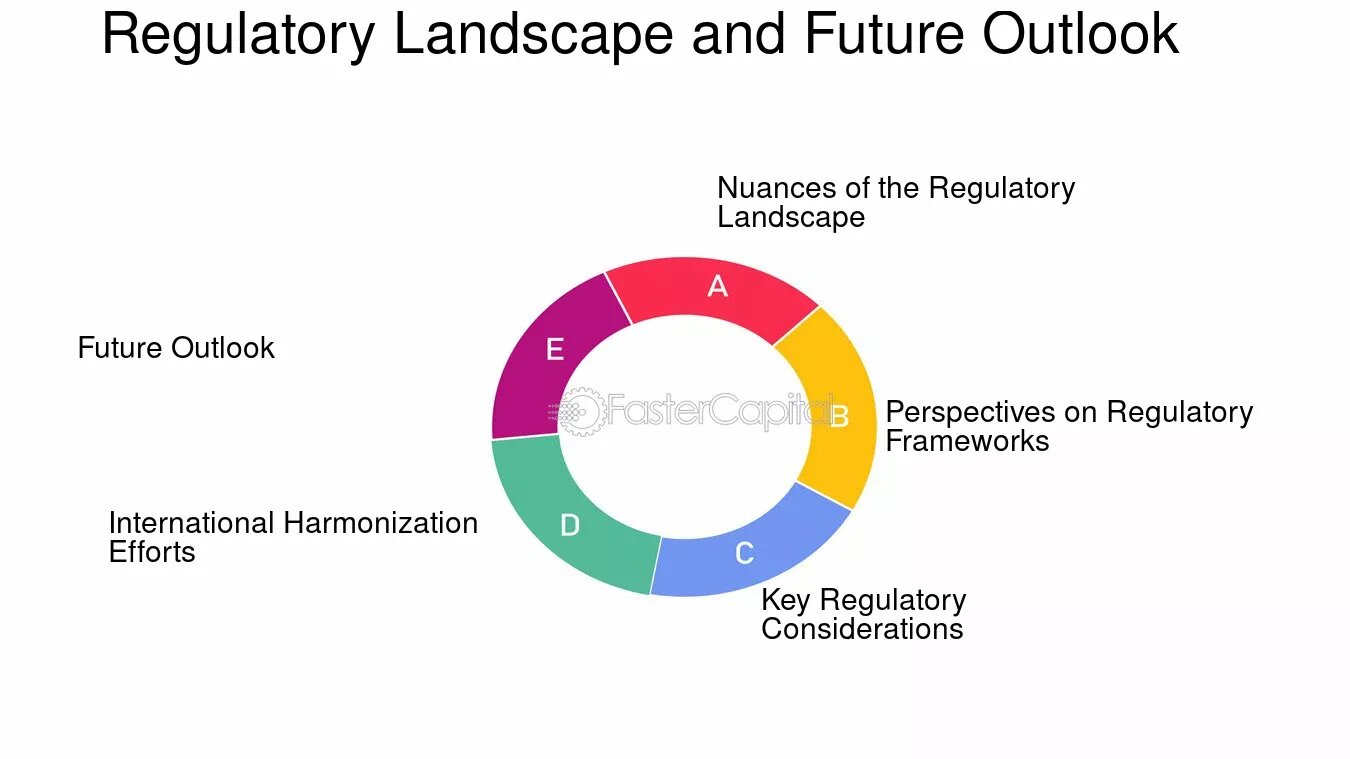
The crypto gambling landscape has undergone a remarkable transformation in recent years, with regulatory frameworks playing a pivotal role in shaping the industry’s future. As we approach 2026, the regulatory landscape has become increasingly complex, presenting both challenges and opportunities for crypto gambling platforms and players alike.
The crypto gambling industry has long grappled with the issue of regulatory clarity, with some platforms operating in legal gray areas while others have sought to align their operations with emerging guidelines. In 2026, this trend continues, as jurisdictions around the world continue to refine their regulatory approaches to this rapidly evolving sector.
Regulatory Developments Across Regions
In the United States, the regulatory landscape remains fragmented, with individual states taking diverse approaches to the legalization and oversight of crypto gambling. While some states, such as New Jersey and Nevada, have embraced the industry, others have maintained a more cautious stance. The lack of federal-level guidance has created a patchwork of regulations, leaving crypto gambling operators to navigate a complex web of state-specific requirements.
Across the Atlantic, the European Union has made strides in harmonizing its regulatory framework for the crypto gambling industry. The introduction of the EU’s Digital Services Act and the proposed Digital Markets Act have aimed to establish a level playing field and enhance consumer protections. However, individual member states still maintain the authority to implement their own regulations, leading to a diverse tapestry of rules and guidelines that operators must navigate.
Compliance Challenges and Opportunities
For crypto gambling platforms, navigating the evolving regulatory landscape has become a critical priority. Ensuring compliance with local laws and regulations has become a complex and ever-changing task, requiring dedicated legal and compliance teams to stay abreast of the latest developments.
Despite the challenges, some crypto gambling operators have found opportunities in the regulatory shifts. By proactively aligning their operations with emerging guidelines, these platforms have gained a competitive edge, building trust with players and regulators alike. The adoption of industry-leading responsible gambling measures, such as self-exclusion tools and spending limits, has also helped crypto gambling platforms demonstrate their commitment to player protection and responsible gaming.
Technological Advancements and Regulatory Implications
The crypto gambling industry has long been at the forefront of technological innovation, and this trend continues to shape the regulatory landscape. As new technologies, such as decentralized finance (DeFi) and non-fungible tokens (NFTs), have been integrated into the crypto gambling ecosystem, regulators have been tasked with developing appropriate frameworks to address the unique challenges and opportunities presented by these advancements.
Navigating the Decentralized Frontier
The rise of DeFi-powered crypto gambling platforms has introduced a new level of complexity for regulators. These decentralized platforms, which operate on blockchain networks, often exist in a legal gray area, challenging traditional notions of jurisdiction and oversight. Regulators have been grappling with how to effectively regulate these borderless, peer-to-peer gambling ecosystems, seeking to balance innovation and consumer protection.
The integration of NFTs into the crypto gambling industry has also presented new regulatory hurdles. As these unique digital assets have been incorporated into various gambling and betting products, regulators have had to consider the legal status of NFTs, their potential for speculation, and the implications for player protections and anti-money laundering measures.
Responsible Gambling in the Crypto Era

Alongside the regulatory developments, the crypto gambling industry has also faced increasing scrutiny regarding responsible gambling practices. As the adoption of cryptocurrencies and blockchain-based technologies has grown, concerns have arisen about the potential for increased problem gambling and the need for robust player protection measures.
Enhancing Player Protection
Crypto gambling platforms have been under pressure to implement comprehensive responsible gambling programs, including tools for self-exclusion, deposit limits, and access to gambling addiction support resources. Regulators have also emphasized the importance of transparency, requiring platforms to disclose the odds of games and the potential risks associated with crypto gambling.
The integration of artificial intelligence and machine learning into crypto gambling platforms has also emerged as a potential solution for enhancing player protection. By leveraging these technologies, platforms can identify and intervene with players exhibiting problematic gambling behaviors, providing tailored support and resources to mitigate the risks of addiction.
The Road Ahead: Navigating the Crypto Gambling Landscape in 2026
As the crypto gambling industry continues to evolve, the regulatory landscape will undoubtedly remain a key area of focus. Crypto gambling platforms must stay agile and adaptable, continuously monitoring the regulatory changes and aligning their operations accordingly.
Responsible gambling will also remain a critical priority, as the industry seeks to build trust and maintain the confidence of both players and regulators. By prioritizing player protection, transparency, and responsible gaming practices, crypto gambling platforms can position themselves for long-term success in the rapidly changing regulatory environment.
Ultimately, the future of crypto gambling will be shaped by the interplay between technological innovation, regulatory frameworks, and a steadfast commitment to responsible gaming. As the industry navigates this dynamic landscape, the path forward will require a delicate balance of adaptation, compliance, and a relentless focus on player wellbeing.